
The Ultimate Guide to Wellness Tourism in South Africa
South Africa’s wellness tourism market was valued at approximately US$3.8 billion in 2025 and is projected to reach US$13.6 billion by 2035. That trajectory is not an accident. It reflects a global shift in how travellers are spending their time and money, and it signals that wellness tourism in South Africa has quietly produced one of the world’s most compelling destination offerings. For American travellers especially, the country remains underrated: most people think safaris and wine country, not world-class hydrotherapy, executive performance programmes, holistic healing rituals, and seasonally sourced spa dining. All of that exists here, often at a fraction of the cost of equivalent experiences in Europe or the United States.
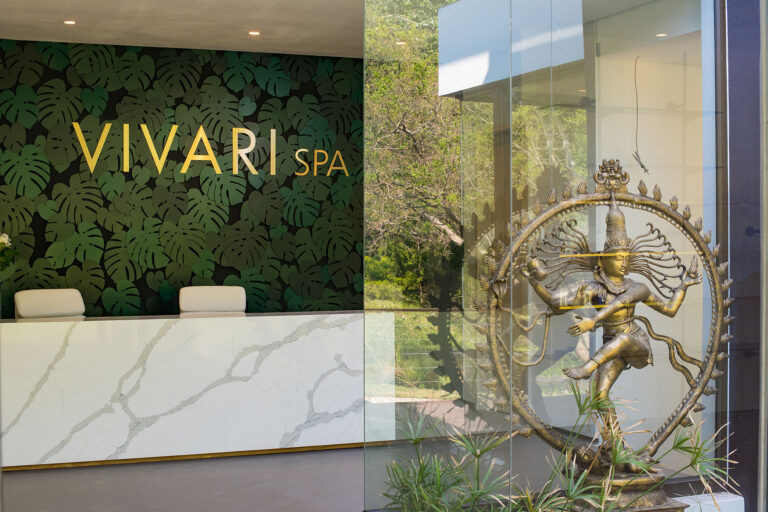
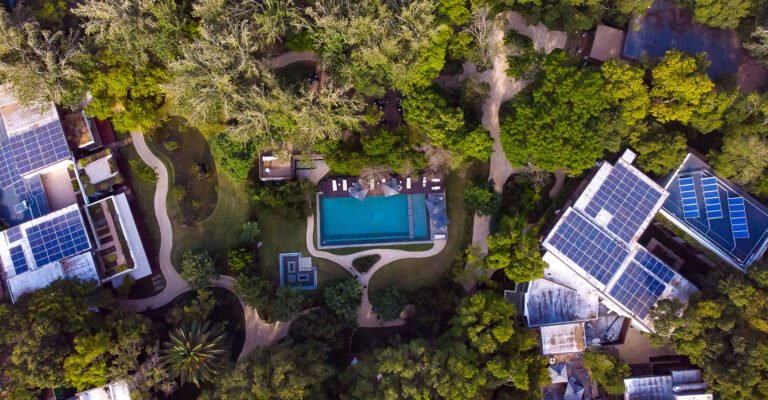
The clearest example of what integrated wellness tourism in South Africa looks like is a property like Vivari Hotel & Spa in Featherbrooke, near Johannesburg. It brings together a full-service spa, a clinical wellness clinic, an aesthetics clinic, fine estate-sourced dining, and five-star boutique accommodation within a single private valley estate. That level of integration is relatively uncommon anywhere in the world, and in South Africa, it comes with the added dimension of proximity to the UNESCO-listed Cradle of Humankind. This guide covers which region suits specific wellness goals, which experiences to prioritise, when to travel, and how to plan a trip from the US.
Why South Africa belongs on every wellness traveller’s radar
The numbers tell a clear story. Even back in 2017, South Africa recorded over 4 million wellness trips annually, with approximately 1.47 million of those from international visitors. Since then, the country’s reputation as a wellness destination has accelerated sharply, moving it into direct competition with established circuits in Southeast Asia and Central Europe. For American visitors, South Africa consistently delivers comparable quality at a significantly lower price point, a structural advantage rooted in the exchange rate and the maturity of the local hospitality industry.
The USD-to-ZAR exchange rate is one of the most compelling practical reasons to consider wellness travel to South Africa. At approximately 16 rand to the dollar in 2026, American travellers access luxury-tier experiences, five-star accommodation, spa journeys, and clinical wellness programmes at substantially lower cost than equivalent-quality offerings in Western Europe or major US cities. This is not budget travel repackaged. It is genuine five-star standard, immaculate service, world-class facilities, and organic dining from estate-grown produce, all within reach without compromise.
Beyond the economics, wellness tourism in South Africa offers something structurally unique: the combination of clinical and holistic wellness, nature immersion, traditional African healing traditions, and luxury hospitality is difficult to replicate in any other single destination. Some Gauteng retreats sit adjacent to UNESCO World Heritage Sites, which transforms a wellness stay into a culturally layered journey. The Cradle of Humankind, a site that chronicles the origins of the human species, is not a two-hour day trip from the spa. For properties in the Featherbrooke and Muldersdrift corridor, it is practically on the doorstep.
The full spectrum of wellness experiences available in South Africa
South Africa’s spa offering spans the breadth of the country, from oceanfront treatment rooms facing the Atlantic in the Western Cape to private valley hydrotherapy facilities near Johannesburg. Hydrotherapy forms the backbone of many South African wellness stays: it typically includes water-based therapeutic treatments, mineral pools, steam rooms, and contrast bathing protocols that work systematically on circulation, stress response, and muscular recovery. Top-rated properties offer multi-day spa journeys rather than single add-on treatments, which is a meaningful distinction from a standard hotel spa experience. That sequencing, where treatments build on each other over several days, is what delivers real restoration rather than a pleasant hour between activities.
The executive wellness category is growing rapidly, particularly around Johannesburg. Several properties now offer clinically structured performance programmes that go well beyond relaxation: tailored plans combining functional medicine assessments, physical performance coaching, nutritional guidance, and restorative therapy. Properties like Vivari Hotel & Spa offer six tailored executive programmes through their on-site wellness clinic, while other Johannesburg-area retreats have built similar multi-day corporate wellness itineraries. For American executives, this is the equivalent of a structured corporate detox with measurable outcomes, built into the rhythm of a luxury stay rather than delivered through a clinic waiting room.
Traditional African healing experiences add a dimension that is genuinely unavailable in Western wellness destinations. International visitors can access guided visits to medicinal herb gardens, herbal bodywork, purification rituals, and, through properly organised community-based operators, observational experiences with traditional healers including sangomas and inyangas. These cultural protocols matter significantly: ceremonies are sacred rather than theatrical, consent must be sought before observing or participating, and photography requires explicit permission.
The most responsible experiences are organised through reputable operators who have community consent and a clear code of conduct. Safari-adjacent wellness lodges in Mpumalanga and Limpopo take this further still, pairing game drives with breathwork, cold therapy, yoga, and forest bathing in a format the industry now commonly calls wild wellness.
Top regions for wellness tourism in South Africa
The Western Cape leads all provinces in wellness tourism by a considerable margin, offering the broadest mix of formats under a single geographic umbrella. Vineyard-and-mountain spa estates in the Cape Winelands, beach-facing yoga retreats, thermal spring resorts at Caledon, Goudini, and Montagu, and medical-wellness facilities in Cape Town itself all contribute to a region that consistently draws the highest share of international health-focused arrivals. Notable properties in this corridor include SANté Wellness Retreat, Future Found Sanctuary in Hout Bay, The Hydro in Stellenbosch, and Bushmans Kloof in the Cederberg. One caveat for American visitors: peak season runs November through February, which means higher rates and limited availability. Shoulder seasons, particularly March to May and September to October, offer the best combination of favourable weather and competitive pricing.
KwaZulu-Natal ranks second nationally, and its strongest draw is the nature-plus-wellness combination. Coastal spa getaways, forest bathing, yoga, meditation, and subtropical scenery form the core offer, with Brookdale Health Hydro standing out as an all-encompassing wellness retreat rather than a standard hotel spa. The province’s Zulu heritage and coastal ecosystems add an authenticity that more resort-focused destinations struggle to replicate.
The Gauteng and Cradle of Humankind corridor is the most practical entry point for American travellers, and it is consistently underestimated. OR Tambo International Airport places guests within approximately 30, 60 minutes of key retreat properties in Muldersdrift and Featherbrooke, depending on traffic conditions, which means there is no long domestic connection required after a 16, 18 hour transatlantic flight. Private valley estates in this corridor combine clinical wellness facilities with nature immersion and fine dining, all within reach of one of the world’s most significant UNESCO heritage sites. Some of the country’s most integrated wellness tourism destinations operate here, including properties that bring the entire wellness spectrum within a single estate.
Vivari Hotel & Spa: where every element comes together
Vivari Hotel & Spa sits in a private leafy valley in Featherbrooke, near Muldersdrift, and has earned recognition within South Africa’s luxury boutique hospitality sector. The property blends contemporary design with nature-immersive architecture across five accommodation categories: Classic, Luxury, Deluxe, Pearl, and Crown suites. Complimentary hydrotherapy spa access, Nespresso, and signature toiletries are included as standard across categories. That entry-level generosity sets the tone: boutique intimacy and five-star standard coexist here without compromise.
The Vivari Spa operates as a full-service destination spa rather than a hotel add-on. Holistic wellness journeys, restorative rituals, and hydrotherapy facilities are set within tranquil gardens, and the emphasis on multi-day sequencing means guests leave having actually shifted their baseline rather than simply relaxed for an afternoon. Thermal pools and water-based therapeutic treatments are integrated into structured stays, making hydrotherapy a central element of the experience rather than an optional extra.
What distinguishes Vivari most clearly within the South African wellness landscape is the combination of clinical and hospitality services on a single estate. The Vivari Wellness Clinic offers six tailored executive performance programmes designed to optimise health outcomes, covering functional health, physical performance, nutrition, and recovery. The Vivari Aesthetics Clinic operates alongside it, providing in-house clinical treatments in a comfortable, nature-surrounded environment. Having a spa, a wellness clinic, and an aesthetics clinic within the same estate is genuinely uncommon and positions the property as a comprehensive wellness destination rather than a luxury hotel with spa access.
Brambles Restaurant completes the picture. The menu emphasises seasonally sourced produce and farm-to-table principles, which means the dining experience actively supports the wellness philosophy rather than working against it. For guests who want to extend their stay beyond the estate, the Cradle of Humankind UNESCO World Heritage Site is nearby, offering guided heritage experiences that add a culturally significant layer to the visit.
Planning wellness tourism in South Africa: when to go and how to book
Seasonality in South Africa varies meaningfully by region, which affects both cost and experience. For Western Cape and Winelands retreats, peak season runs November through February, with December and January being the most expensive and least available. Shoulder seasons from March to May and September to October offer comparable weather, lower rates, and far greater flexibility in booking. Winter in the Cape, June through August, brings the coolest conditions but also the best bargains for guests willing to trade sunny warmth for quieter properties and reduced pricing.
The Gauteng corridor, including Muldersdrift and Featherbrooke, is less tied to Cape-style holiday pricing cycles. March to May and September to November are the recommended windows for mild weather and minimal summer rainfall, making them the strongest options for an inland wellness stay. Safari-wellness lodges in Mpumalanga and Limpopo follow a different rhythm entirely: the dry season from May to September optimises wildlife sightings, but high-end properties near Sabi Sands and Greater Kruger tighten in availability during this period.
For structured wellness programme packages, expect a starting range of approximately US$330 for shorter formats, rising to US$4,200 for eight-day immersive retreats at premium properties. Luxury spa hotels operate in a different pricing tier from programme-based retreat centres, and booking windows differ accordingly. For peak Cape Town and Winelands properties, booking four to eight months ahead is strongly advised. A practical recommendation regardless of region: build in a minimum of four to five nights at any single wellness property to experience the full benefit of structured programmes or multi-day spa journeys. A one-night stop at a destination spa delivers a fraction of what a properly sequenced stay can achieve.
Practical logistics for wellness holidays in South Africa
American citizens do not require a visa for South Africa for stays under 90 days. Entry requires a valid US passport with at least two blank visa pages and a minimum of 30 days validity beyond your intended departure date. A return or onward ticket may be requested on arrival, and travellers with children should carry unabridged birth certificates. Beyond that, the entry process is straightforward: a visitor’s permit is issued on arrival at the port of entry.
Direct flights from New York, Atlanta, and Washington D.C. connect to OR Tambo International Airport in Johannesburg, typically in 16, 18 hours. Vivari Hotel & Spa and the broader Gauteng wellness corridor sit approximately 30 minutes from OR Tambo under favourable traffic conditions, making them an ideal opening or closing leg of a South Africa itinerary that might also include a safari circuit or a Cape Town extension. The logical sequence for most American visitors is to land at OR Tambo, decompress at a Gauteng wellness retreat, and then continue to safari or the Western Cape, reversing it on the return leg if needed.
On the ground, the USD-to-ZAR exchange rate gives American visitors strong practical purchasing power. A five-star boutique wellness stay that would cost US$600 or more per night in the US or Europe often translates to significantly less in South Africa at current rates. When budgeting, factor in international flights, accommodation (which at integrated retreats typically includes meals and hydrotherapy access), optional clinical programmes, and internal transfers. Tipping of around 10, 15% is common practice in restaurants and for spa therapists, though customs vary by establishment; carrying some ZAR cash for smaller gratuities is advisable, as not all service staff at smaller properties will have access to card-based gratuity systems.
Wellness tourism South Africa: the most comprehensive destination awaits
Few countries combine what South Africa does: spa culture rooted in hydrotherapy tradition, clinically structured executive wellness programmes, traditional African healing practices, safari immersion, and organic farm-to-table dining, all within one of the world’s most scenically and culturally significant landscapes. For American travellers who have covered Europe’s wellness circuits and are ready for something more layered, wellness tourism in South Africa represents one of the strongest value propositions in international travel right now.
The practical guidance is clear: shoulder seasons deliver the best weather-to-value ratio, OR Tambo is the most logical gateway, and the Gauteng corridor offers the most accessible entry point without any domestic connection. If you are combining a wellness retreat with a broader South Africa itinerary, building your stay around the Featherbrooke and Muldersdrift corridor means you arrive refreshed and depart restored, with the rest of the country opening up around you.
Vivari Hotel & Spa represents the benchmark for what fully integrated wellness tourism in South Africa looks like: a destination spa, clinical wellness and aesthetics programmes, organically focused dining, and five-star boutique accommodation within a private valley estate near the Cradle of Humankind. Visit the Vivari website to explore suite categories, wellness clinic programmes, and current availability, and begin planning your restorative escape.